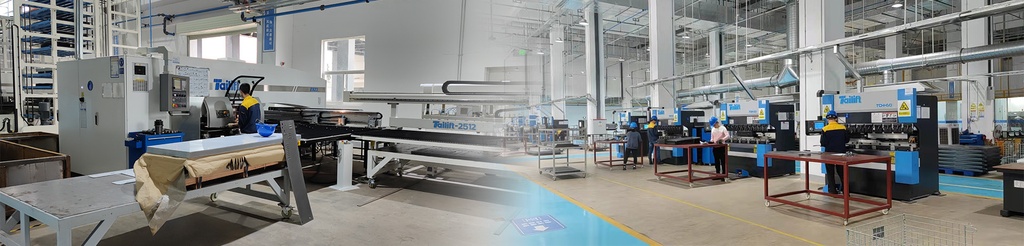
Automated Production Lines
From standalone machines to fully integrated sheet metal processing solutions
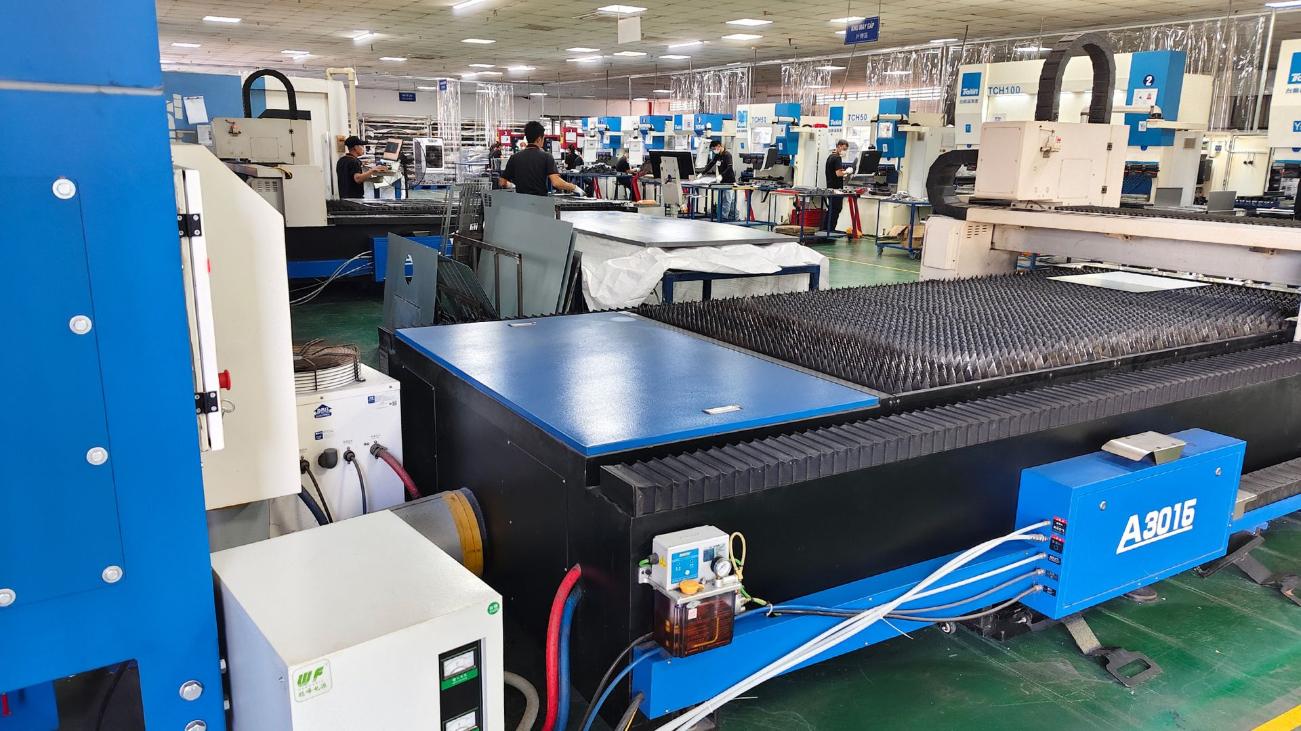
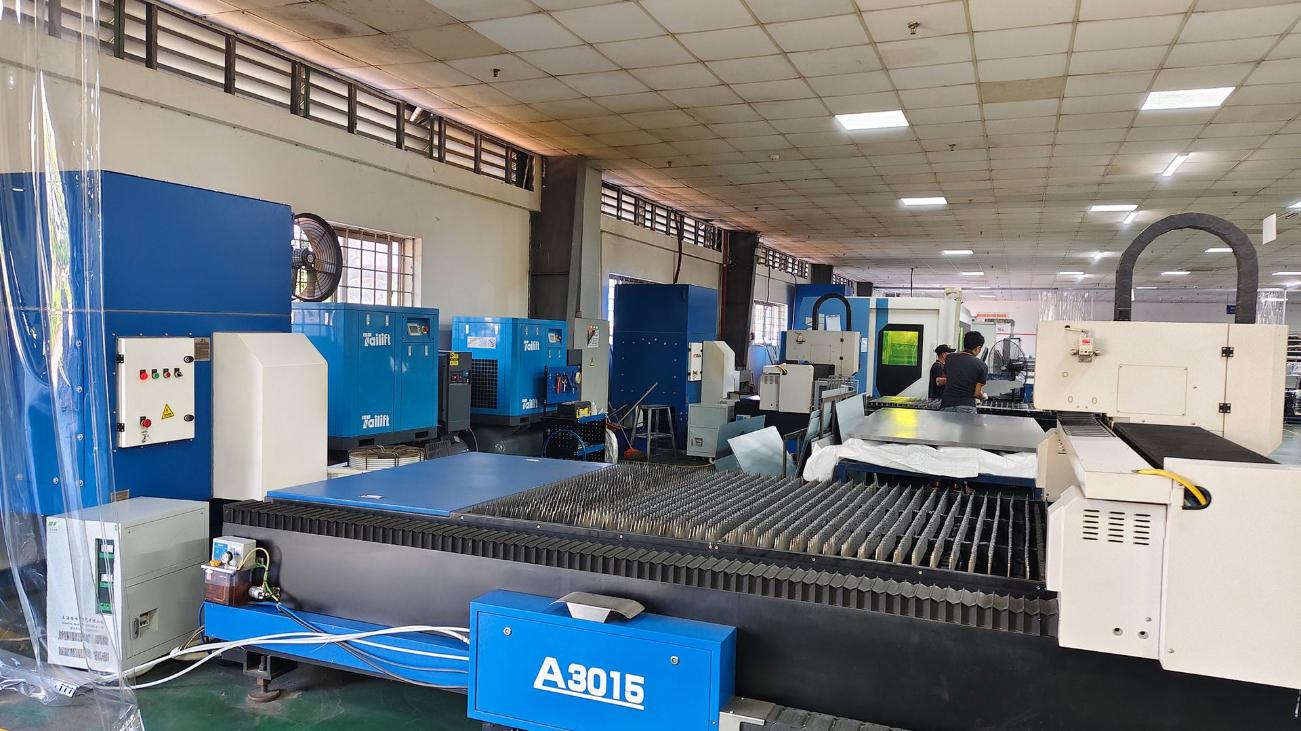
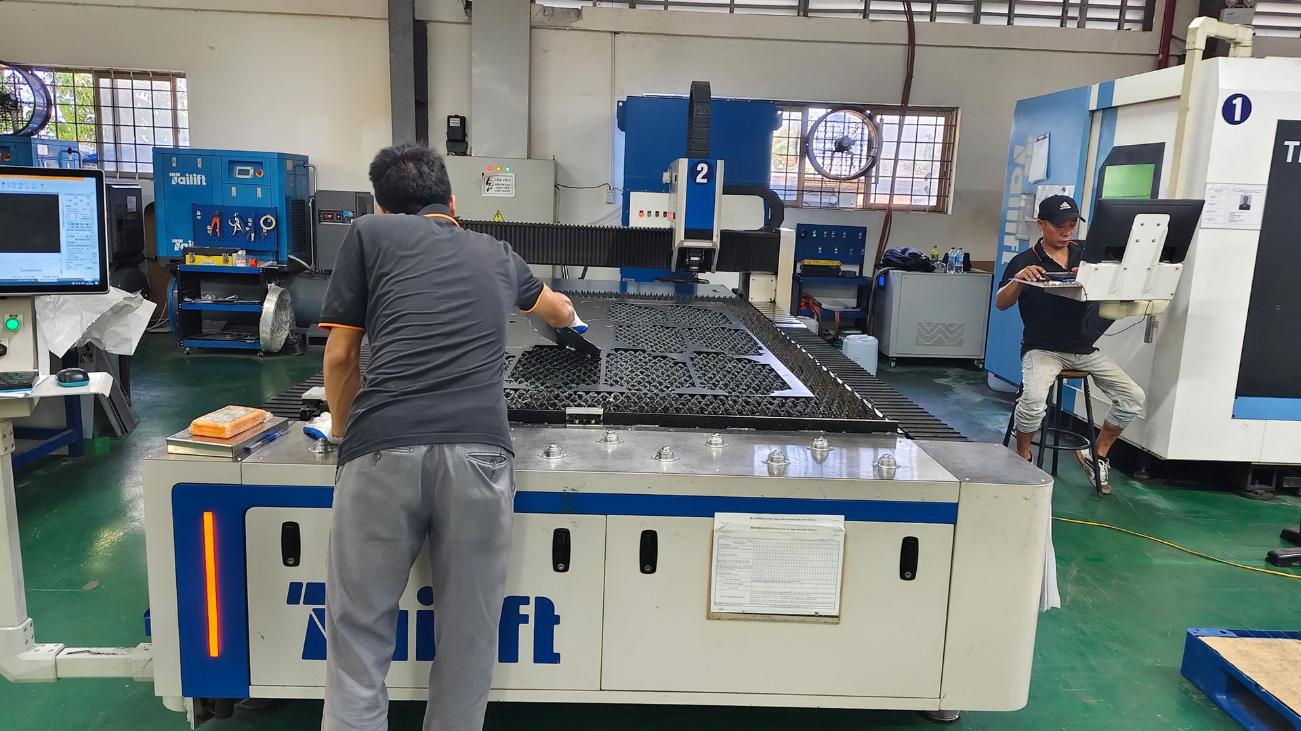
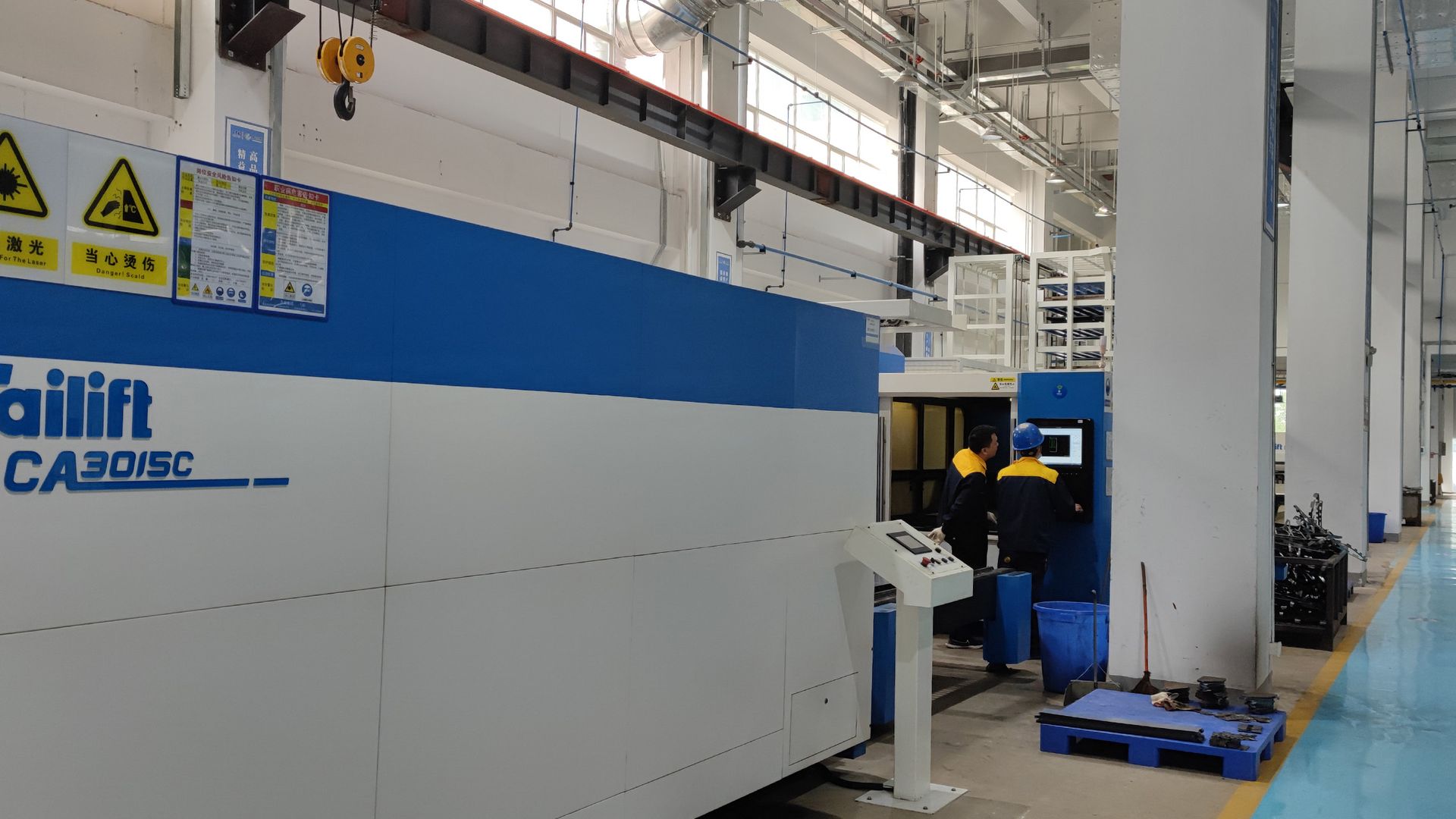
Laser Cutting
High-precision cutting technology delivers ultimate production efficiency and stability.
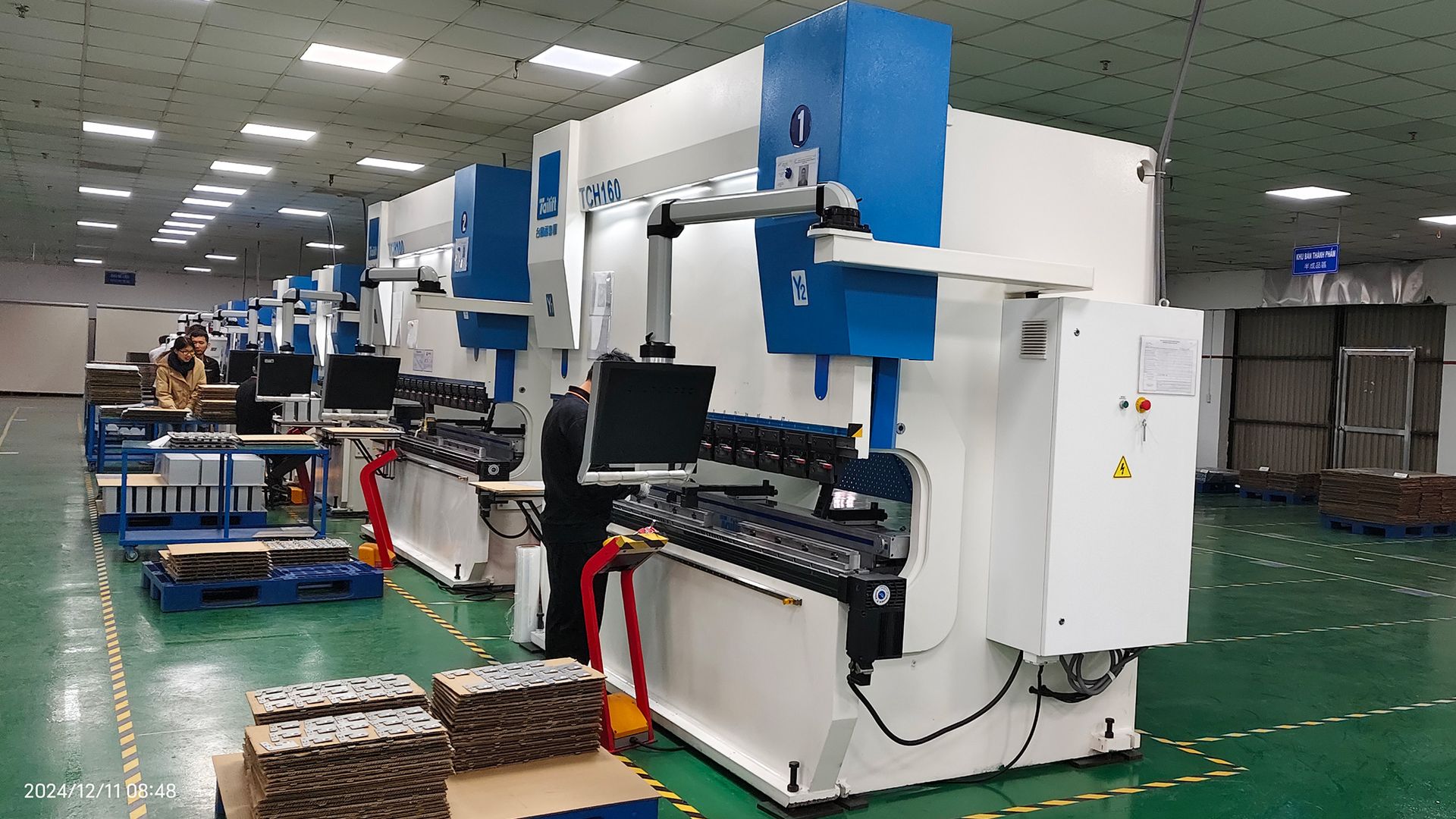
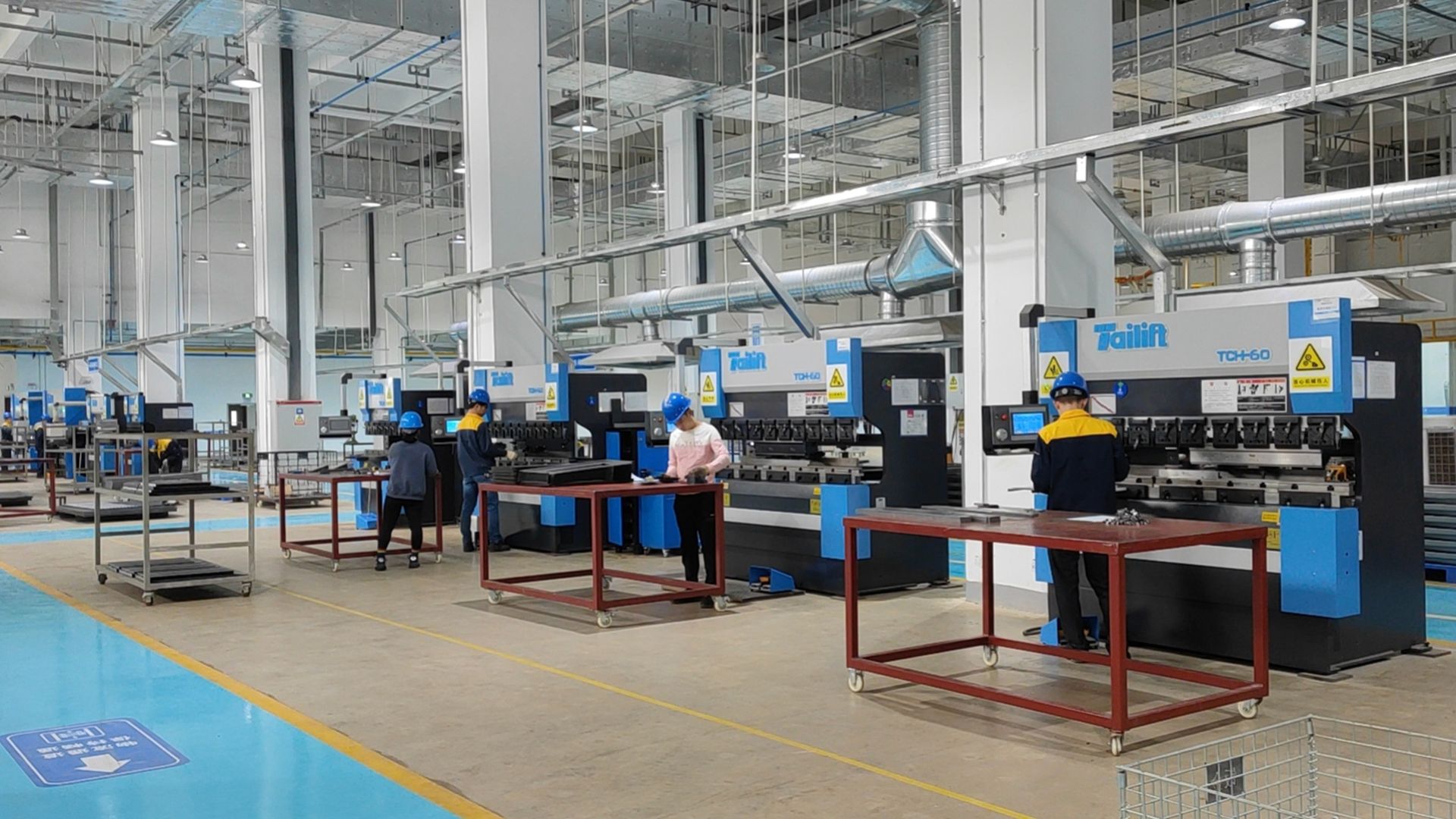
Automated Bending
Intelligent compensation and automatic calibration ensure the precision of every workpiece.
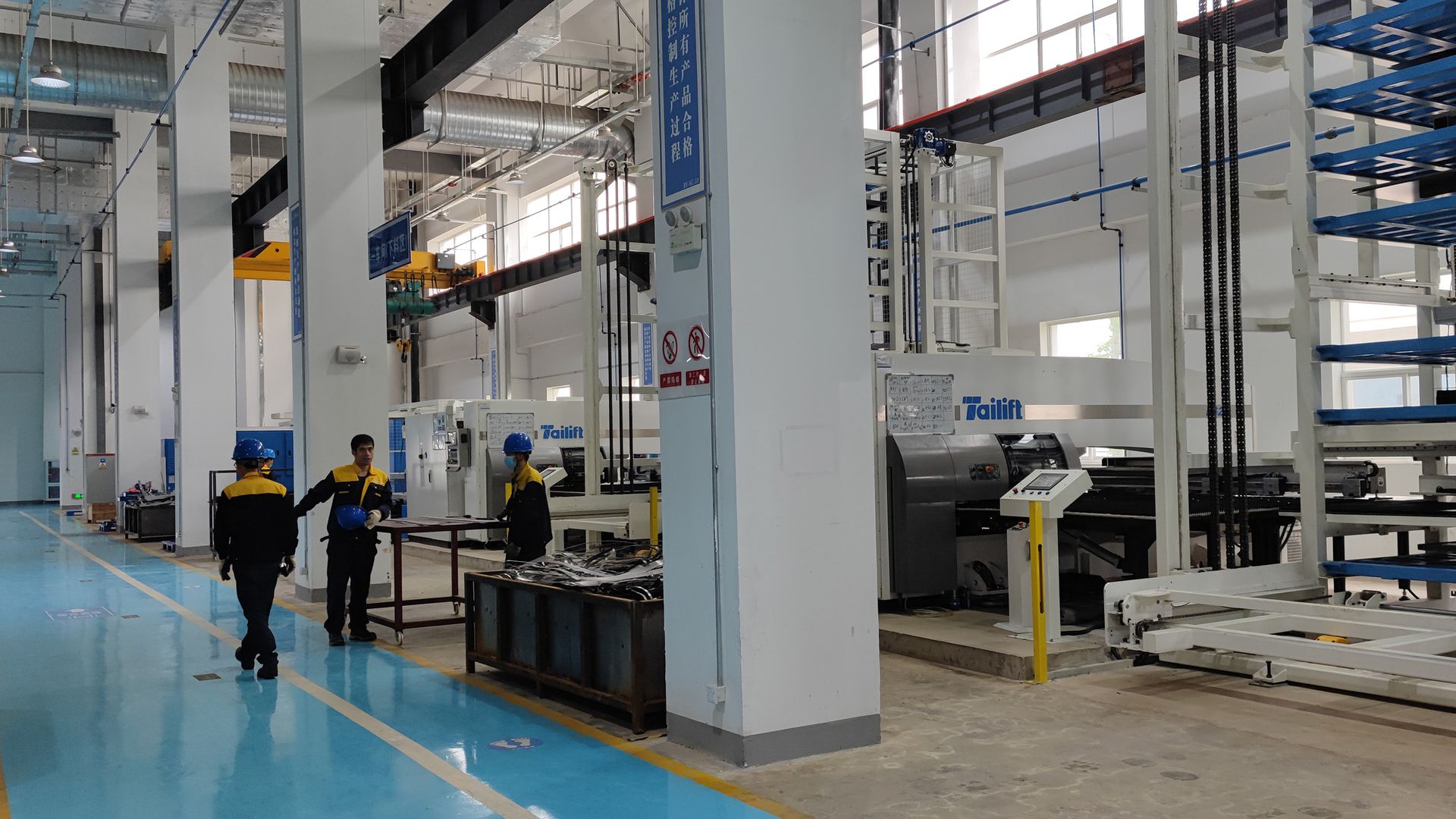
Smart Warehousing
Intelligent compensation and automatic calibration ensure the precision of every workpiece.
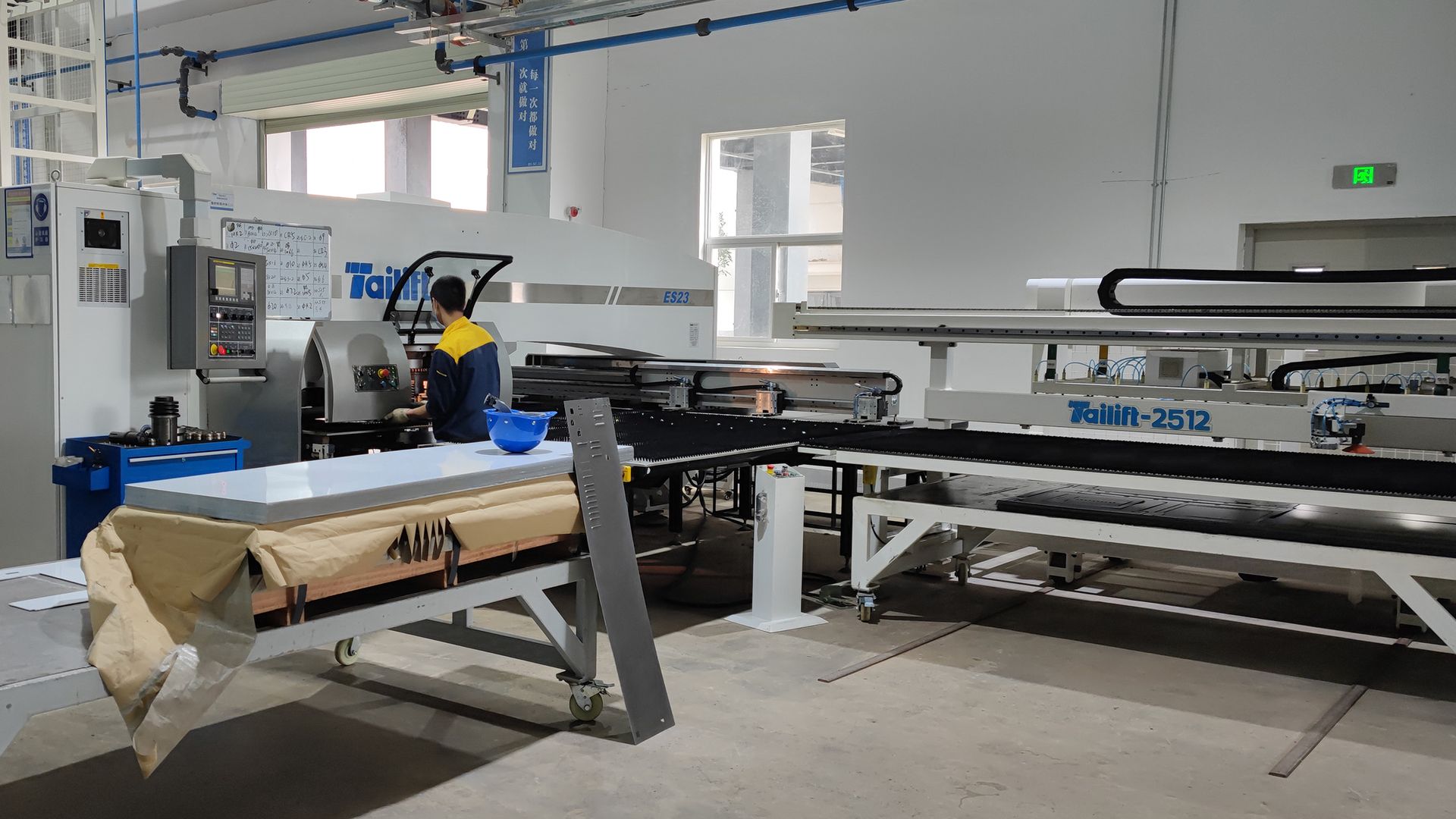
System Integration
End-to-end process automation breaks down operational silos and boosts overall production capacity.
Automated Production Lines — Transforming Sheet Metal Manufacturing from Discrete Operations to Continuous Production
The transition from standalone machines to complete production lines is not merely an equipment upgrade—it’s a restructuring of the production rhythm. Tailift integrates cutting, bending, loading/unloading, and warehouse management through a holistic line-level approach, helping factories move from station-level efficiency to true end-to-end line performance.
- Reduce manual material handling and wait times
- Improve equipment utilization and continuous processing capabilities
- Lower reliance on labor and reduce on-site management burdens
- Ensure smoother integration between cutting, bending, welding, and warehousing
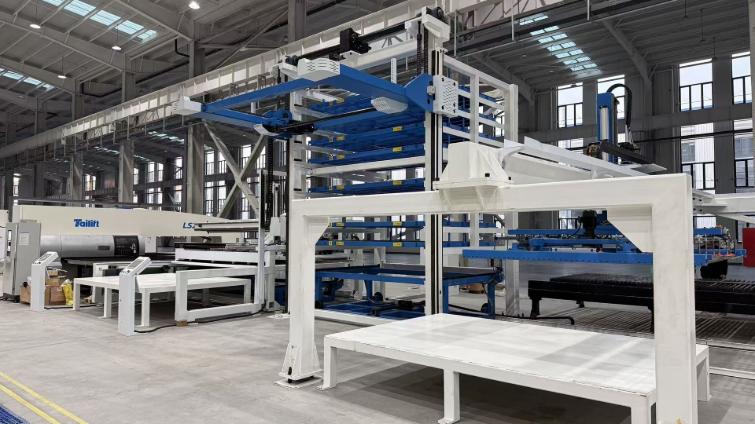
In which scenarios are automated production lines suitable?
Increase in small-batch, high-variety orders
Frequent job changes lead to bottlenecks in on-site scheduling and material handling.
Labor shortages or high employee turnover
Desire to reduce reliance on skilled craftsmen and manual handling.
Cutting speeds have increased, but loading and unloading can’t keep up
Equipment has the capacity, but production is bottlenecked by manual loading, unloading, and waiting for semi-finished products.
Desire to improve bending consistency
Aim to minimize variations caused by operator experience and ensure more consistent angles and quality.
Planning to upgrade from standalone machines to a complete production line
Already have cutting or bending equipment and wish to further integrate automation and management systems.
Core Integration Projects
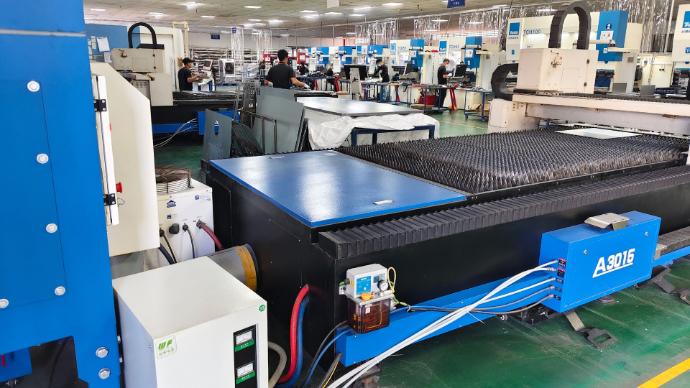
Laser Cutting Automation
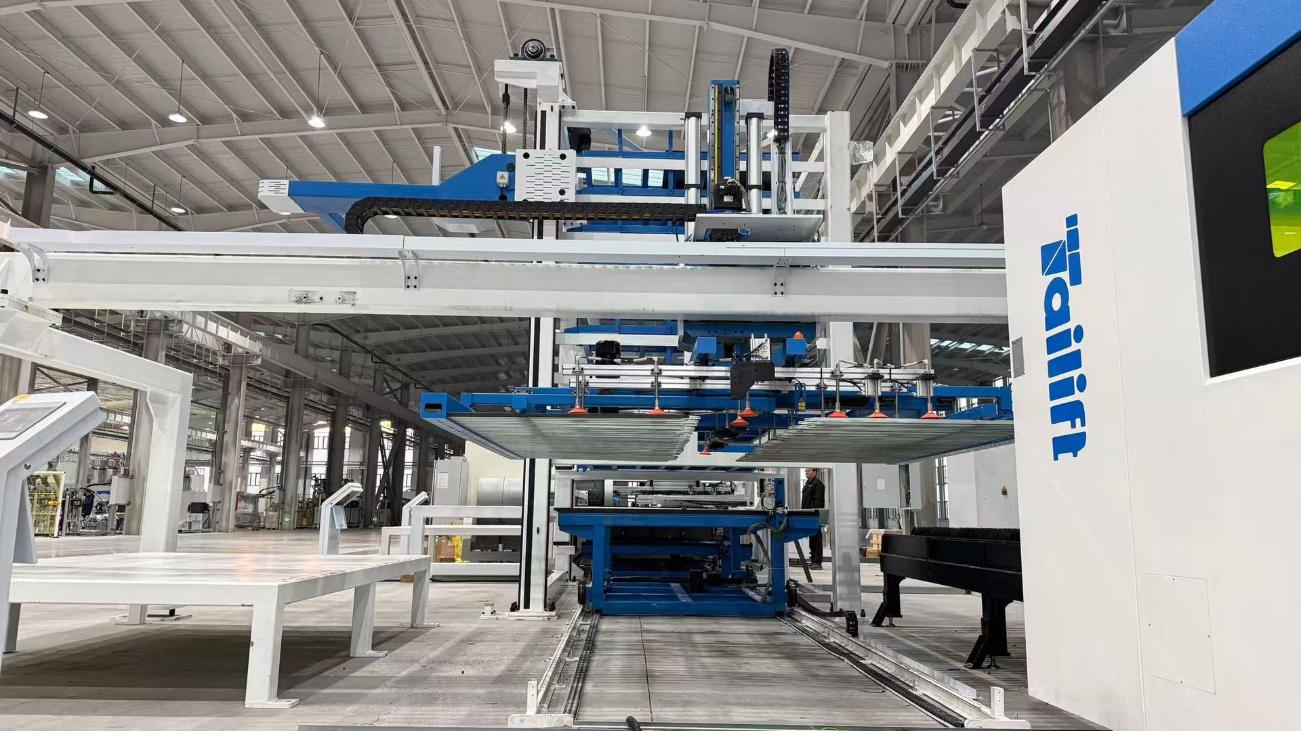
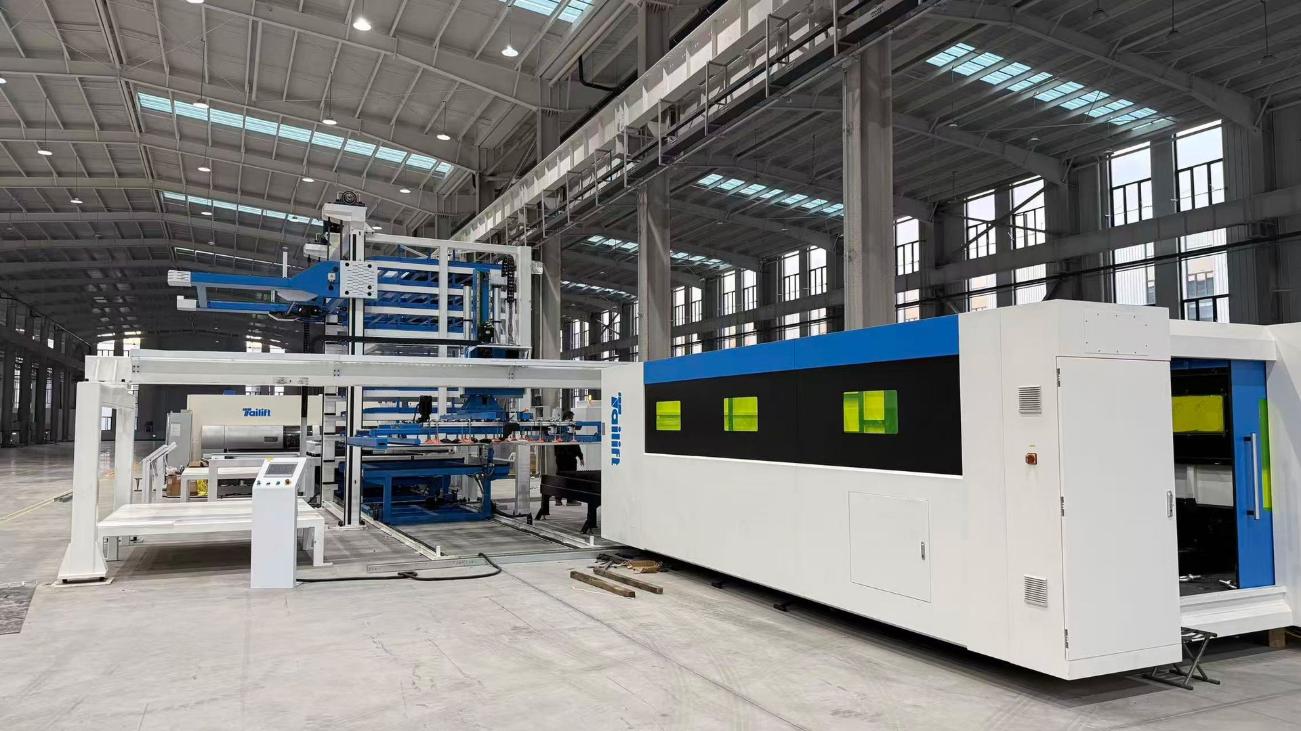
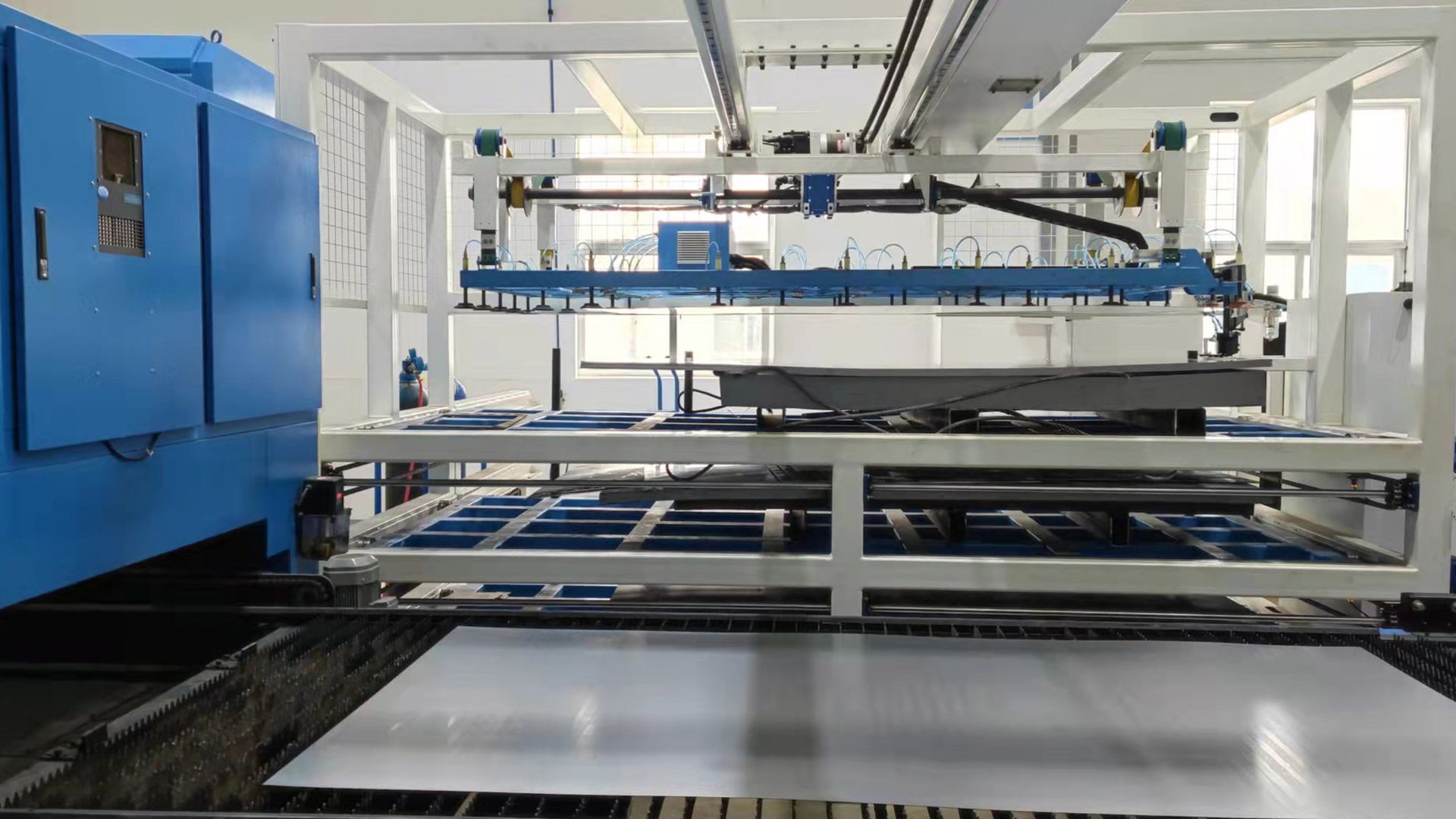
Can be integrated with sheet metal laser cutting machines, automatic loading/unloading systems, and material rack systems to reduce manual sheet handling time and improve continuous cutting efficiency.
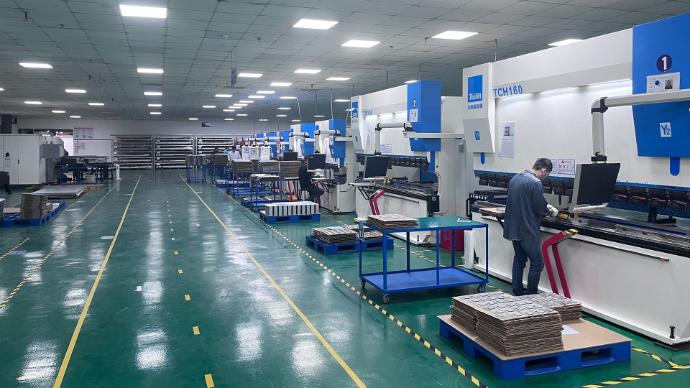
Bending Automation
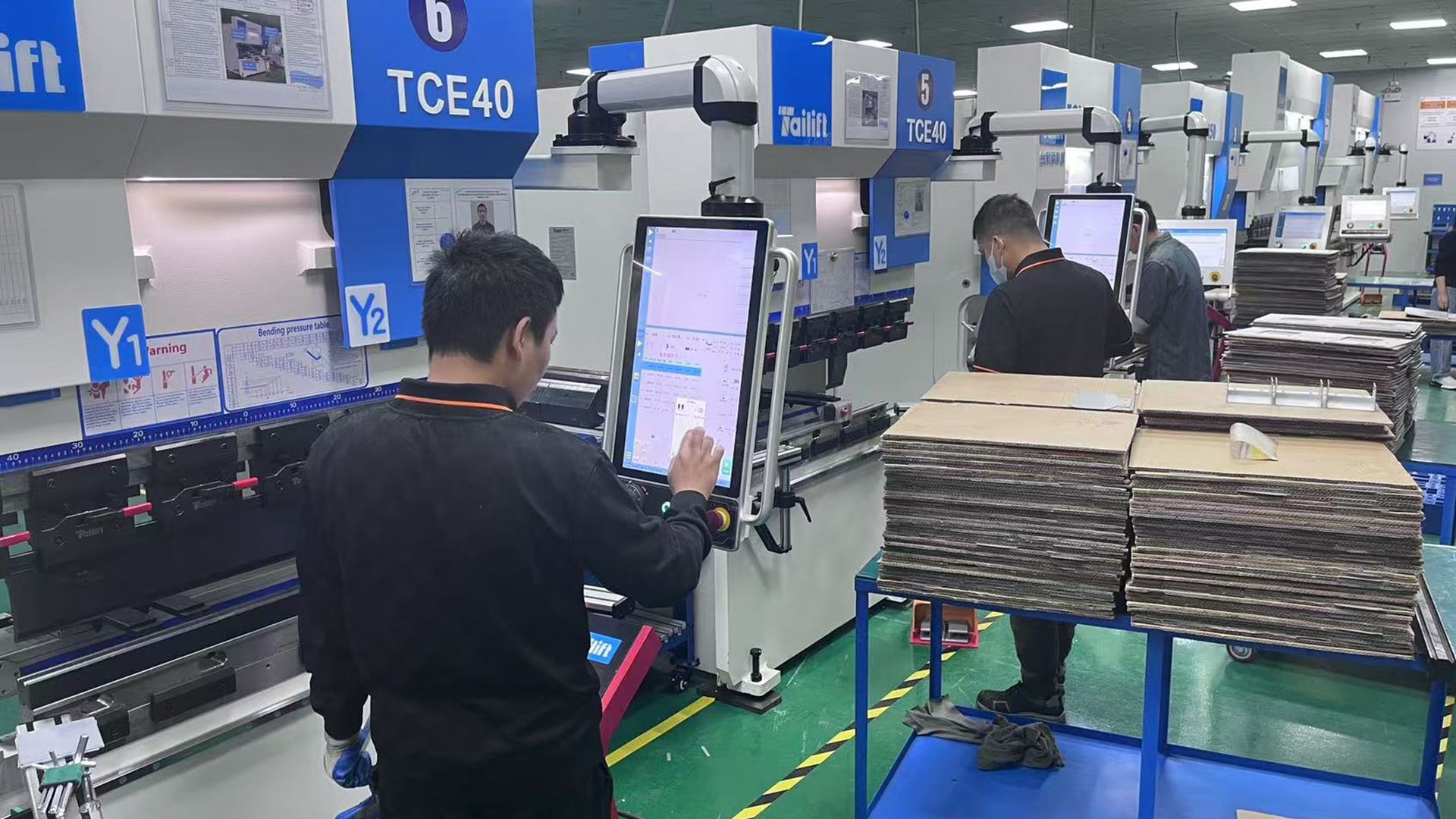
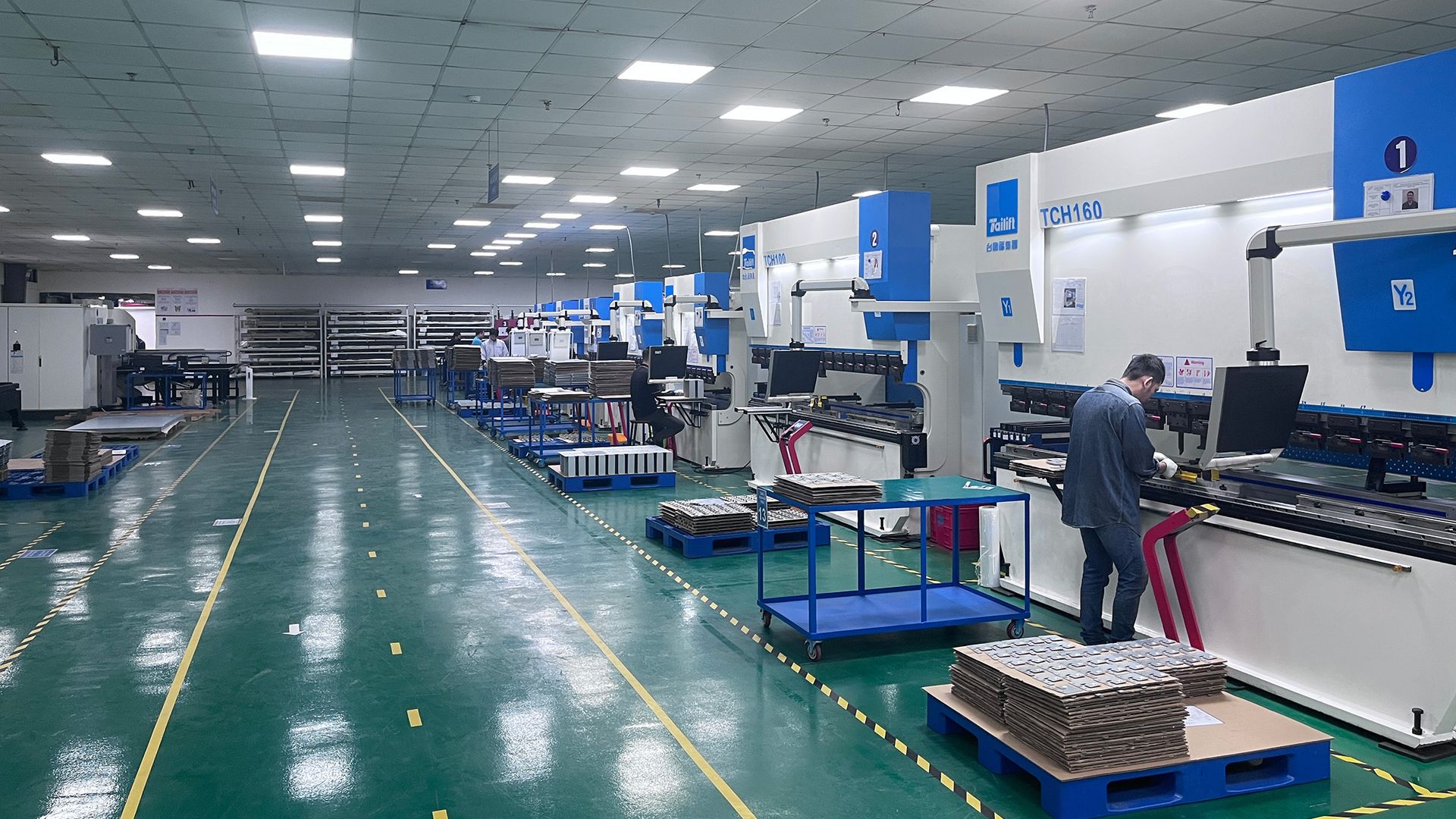
Can be paired with CNC press brakes, smart bending centers, or robotic arm loading/unloading systems based on workpiece requirements to enhance bending stability and reduce reliance on manual expertise.
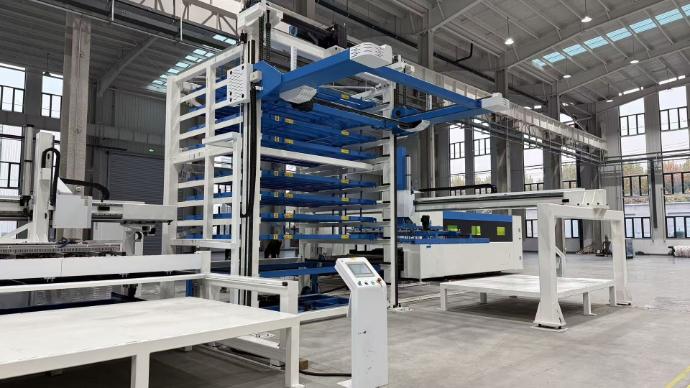
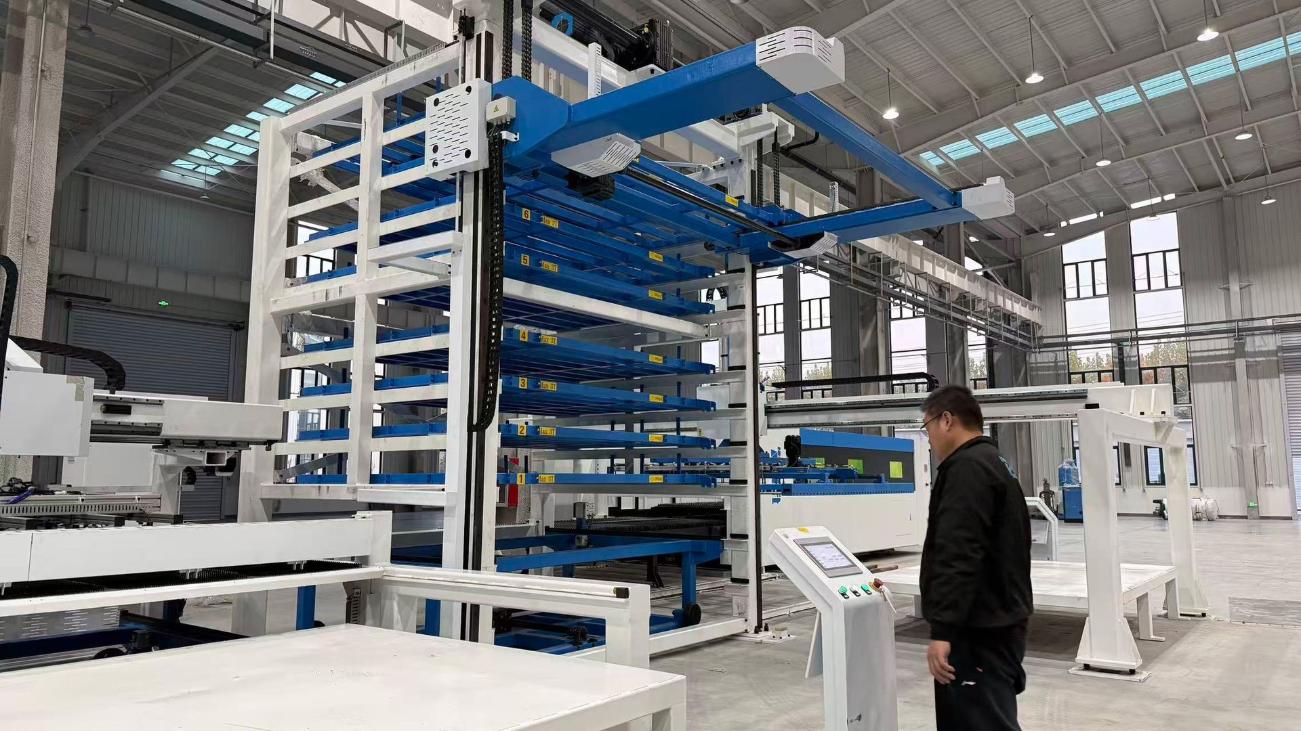
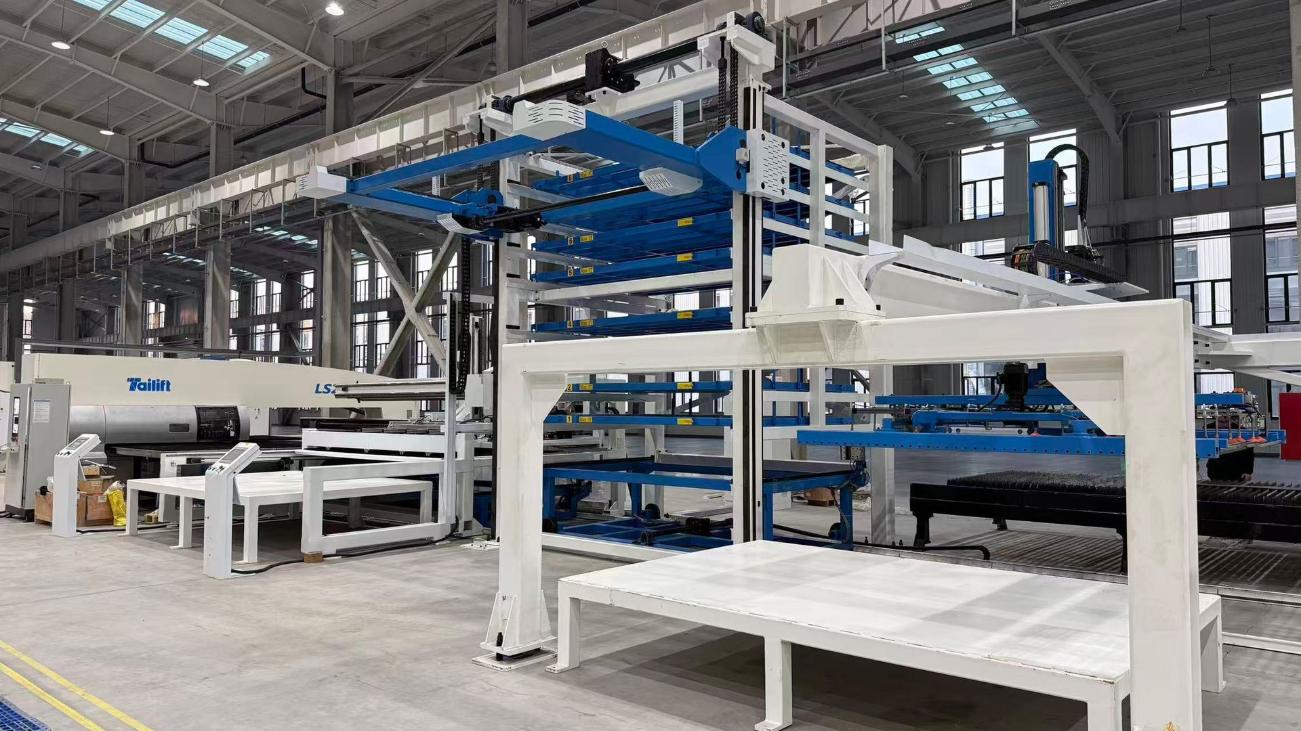
Smart Warehousing and Material Rack Management
Through automated material racks and warehouse management, this solution improves the efficiency of sheet metal storage, material issuance, loading/unloading, and processing scheduling.
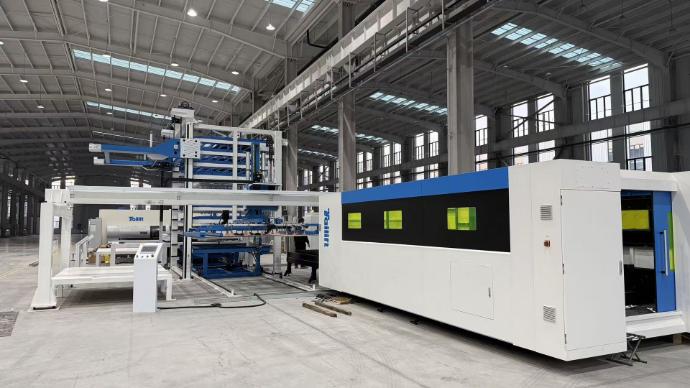
Integration with Welding and Post-Processing Operations
Depending on requirements, handheld laser welding, automated laser welding, or post-processing handling configurations can be implemented to ensure smoother transition of cut workpieces to the next process.
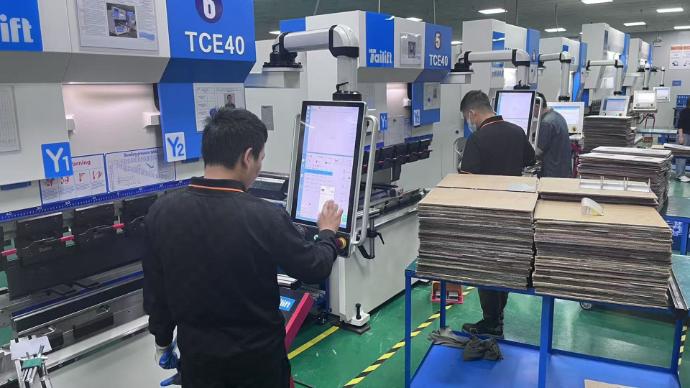
System Interface and Remote Monitoring
Through integration of equipment interfaces, remote monitoring, and management systems, the solution helps on-site personnel monitor equipment status, processing progress, and production line efficiency.
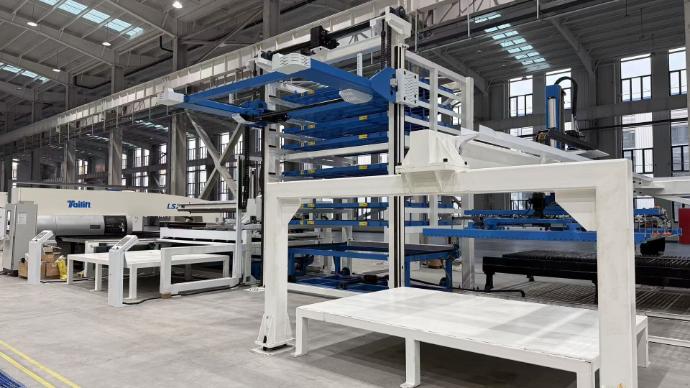
Modular Expansion Planning
Implementation can be phased in based on the factory’s current production capacity and future needs—ranging from single machines and automated loading/unloading to full-line integration.
Automated Production Line vs. Traditional Segmented Operations
| Item |
Traditional Segmented Operations | ★ Automated Production Line |
| Loading/Unloading |
Relies on manual handling | ✔ Can implement automated loading/unloading |
| Process Integration |
Long wait times for semi-finished products |
✔ Smoother cutting, bending, and warehousing |
| Labor Requirements |
Highly dependent on on-site personnel |
✔ Reduces repetitive manual tasks |
| Management Approach |
Relies on manual scheduling and tracking |
✔ Can be integrated with systems and remote monitoring |
| Scalability | Standalone machines |
✔ Can be scaled in phases based on production capacity |
Why Choose Tailift Automated Production Lines?
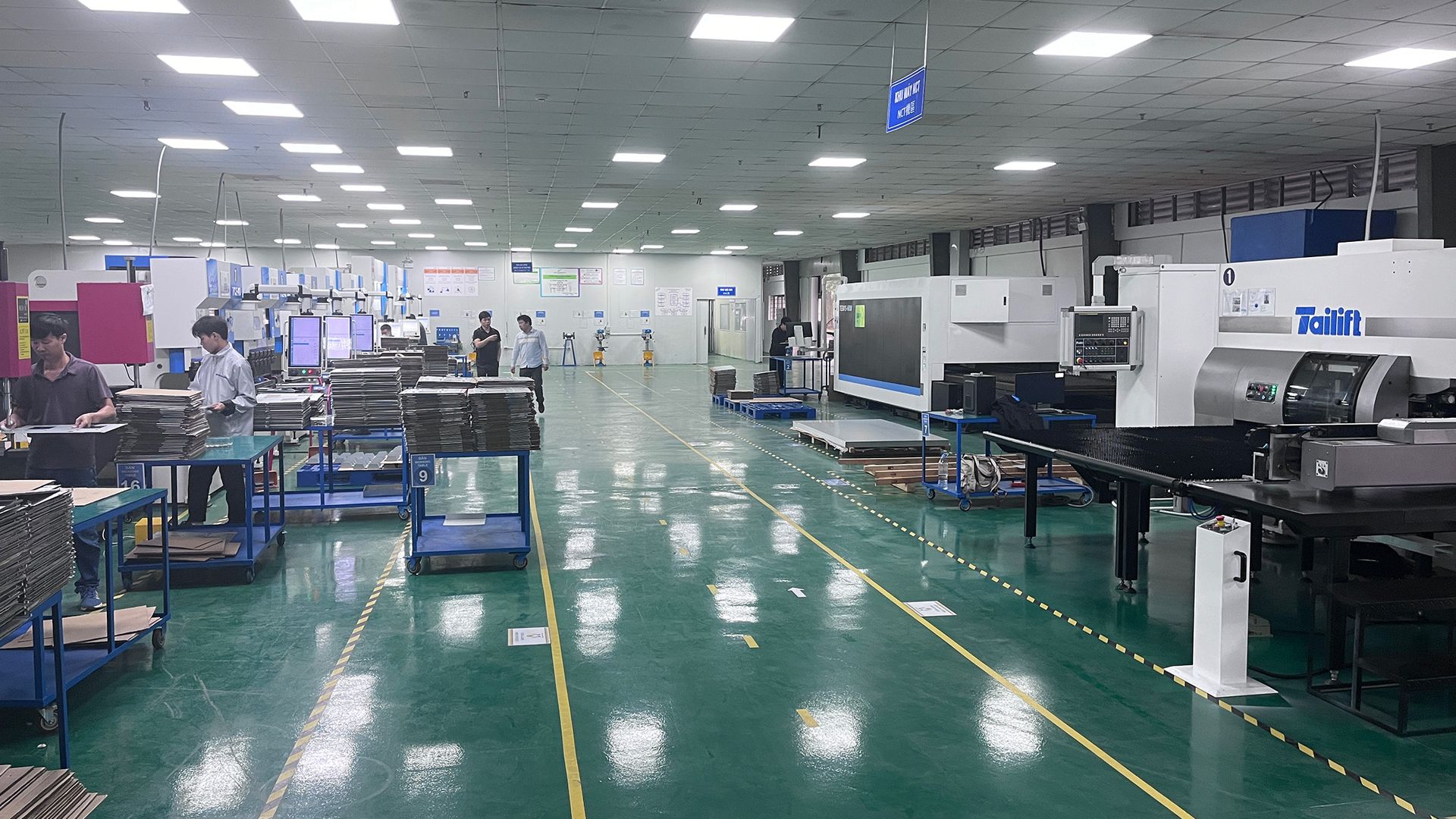
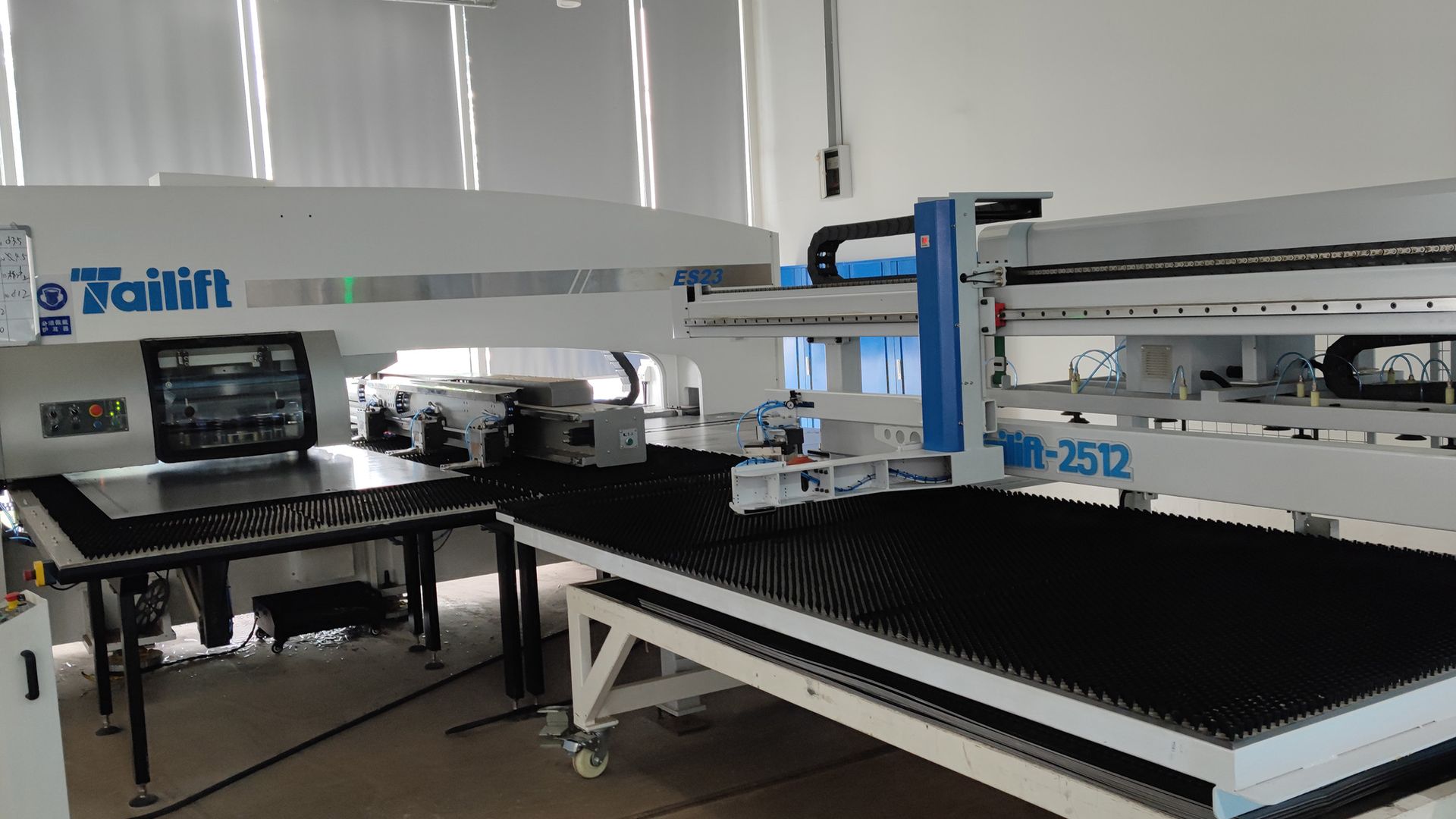
Tailift doesn’t just provide individual machines; we take a hands-on approach to the actual manufacturing floor, helping customers evaluate the overall layout between cutting, bending, welding, loading/unloading, and warehousing.
Upgrade from individual machines to a complete production line to ensure seamless integration between equipment, stable line operation, and reliable post-installation maintenance support!
Extensive experience in sheet metal equipment manufacturing
Comprehensive range of laser, press brake, welding, and automation equipment
Can be implemented in phases based on production line conditions
Support for equipment integration, operator training, and ongoing maintenance
Ideal for upgrading small and medium-sized factories, and also supports large-scale production line planning
Automated Production Line Project Implementation Process
Needs Analysis
Assess factory layout, production capacity targets, and existing equipment.
Solution Planning
Provide 3D layout diagrams and ROI (Return on Investment) analysis.
Equipment Integration
Coordinate the development and testing of hardware manufacturing and software systems.
Installation and Commissioning
Long-term technical support, staff training, and scheduled maintenance services.
After-Sales Maintenance
Long-term technical support, staff training, and scheduled maintenance services.
FAQ
Q1 Does an automated production line have to be implemented for the entire factory and entire line all at once?
Not necessarily. The process of automating an entire factory and production line inherently involves a gradual integration—starting with the automation of individual machines and progressing to the integration of automated warehousing and management software—so planning can be done in phases based on on-site conditions.
Q2 What types of equipment can Tailift sheet metal automation integrate with?
It can integrate sheet metal processing equipment such as laser cutters, CNC press brakes, turret-type punch presses, welding equipment, and automatic multi-angle bending centers.
Q3 What else does an automated production line include besides equipment?
In addition to the processing equipment itself, it also includes automatic loading and unloading systems, automatic coil feeding systems, storage racks, management and control software, monitoring interfaces, and material flow scheduling systems.
Q4 Which factories are best suited to evaluate automation first?
Typically, sheet metal factories facing labor shortages, lengthy material handling times, frequent line changes, difficult-to-manage scheduling, or those seeking to extend continuous processing time.
Q5 How are automated production lines related to Industry 4.0?
Standalone machine automation is not sufficient; integration with automated warehousing and related management and control software is also required to achieve production automation control and Industry 4.0 goals.
Still unsure if an automated production line is right for you?
Tell us about your current equipment setup, bottleneck processes, and production capacity goals, and Tailift will help you evaluate the most suitable sheet metal automation solution!
[Inquire About Sheet Metal Automation Solutions Now]